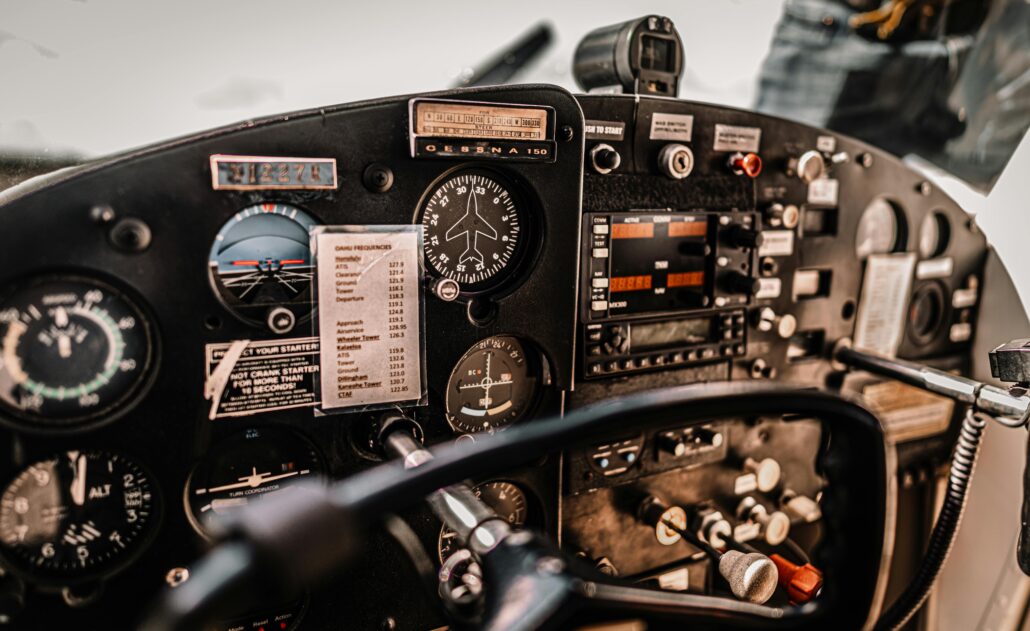
Operational Control, as per ICAO Annex 6 Part 1, is the exercise of authority over the initiation, continuation, diversion, or termination of a flight in the interest of the safety of the aircraft and the regularity and efficiency of the flight. As per the FAA, the first tier of operational control is assigning flight crewmembers and aircraft, whereas the second tier of operational control involves decisions related to the day-to-day conduct of operations.
FAA Order 8900.1, Vol. 3, Ch18, Part 121 operators and Part 135 Operators must have a system and/or procedures for the control of flight movements. The three systems and/or procedures currently required are as follows:
- For Part 121 domestic and flag operations, dispatch systems are required.
- For Part 121 supplemental operations, if a dispatch system is not established, a flight following system is required.
- For Part 135 operators, a Flight Locating System is required*.
*Operational Control is also required for Part 135 operators; however, due to the diverse range of operations under Part 135, the method of operational control is not defined, allowing the operator to develop solutions unique to their operations.
As per FAA 8900.1, Vol. 3, Ch25, the dispatch system required for Part 121 operations (barring Part 121 supplemental operations) has the below three components:
- The operator must use Certified Aircraft Dispatchers to directly control flight operations.
- A pilot in command (PIC) may not initiate or continue a flight unless both the PIC and the Aircraft Dispatcher agree that the flight can be conducted safely as planned under the existing and forecast conditions.
- Once a flight is initiated, the Aircraft Dispatcher must continually monitor the flight’s progress and inform the PIC of conditions that could affect the safe operation of that flight.
In contrast, the Flight Locating System required by Part 135 operators consists of two components:
- The operator must have procedures to locate each flight for which an FAA flight plan is not filed.
- The operator must have knowledge of all flight operations being conducted and be able to make decisions and perform actions on an ongoing basis to operate flights safely. The system must also provide for the timely notification (within 30 minutes) to an FAA facility or a search-and-rescue facility, if an aircraft is overdue or missing.
Part 135 operations do not have a requirement to have joint concurrence between the PIC and other authorized personnel for flight release decisions; however, as highlighted in the NTSB Aviation Investigation Report AIR-24-03, the FAA has recognized that operators with operational control systems with joint concurrence have significantly better safety records compared with operators without such systems.
SAFETY ROUND TABLE

- Would it be beneficial for Part 135 operators to adopt the Joint concurrence system for second-tier responsibilities of operational control?
- Would this add a barrier of safety to Part 135 operations, by aiding it to mitigate risks unique to its operations, without affecting its ability to be dynamic and diverse in its scope of operations?
UPCOMING EVENTS
Come meet the JumpseatSMS team at NBAA-BACE! @ Booth 3771

JUMPSEATSMS FEATURE UPDATE
- On the Audit Module, the fields for Scope & Objective, Audit Notes, CAR/CAP/CAT details, and feedback have been updated with Rich Text capabilities
- On the Audit Module, the Audit Report can now be printed at any stage of the audit after it has reached the status of ‘In-Progress’.
WE WANT TO HEAR FROM YOU!
Write to us at jumpseatsms@mba.aero or send us feedback on the forms below.


Copyright (C) 2025 mba Aviation. All rights reserved.

No responses yet